La rue zone interdite. Off limits
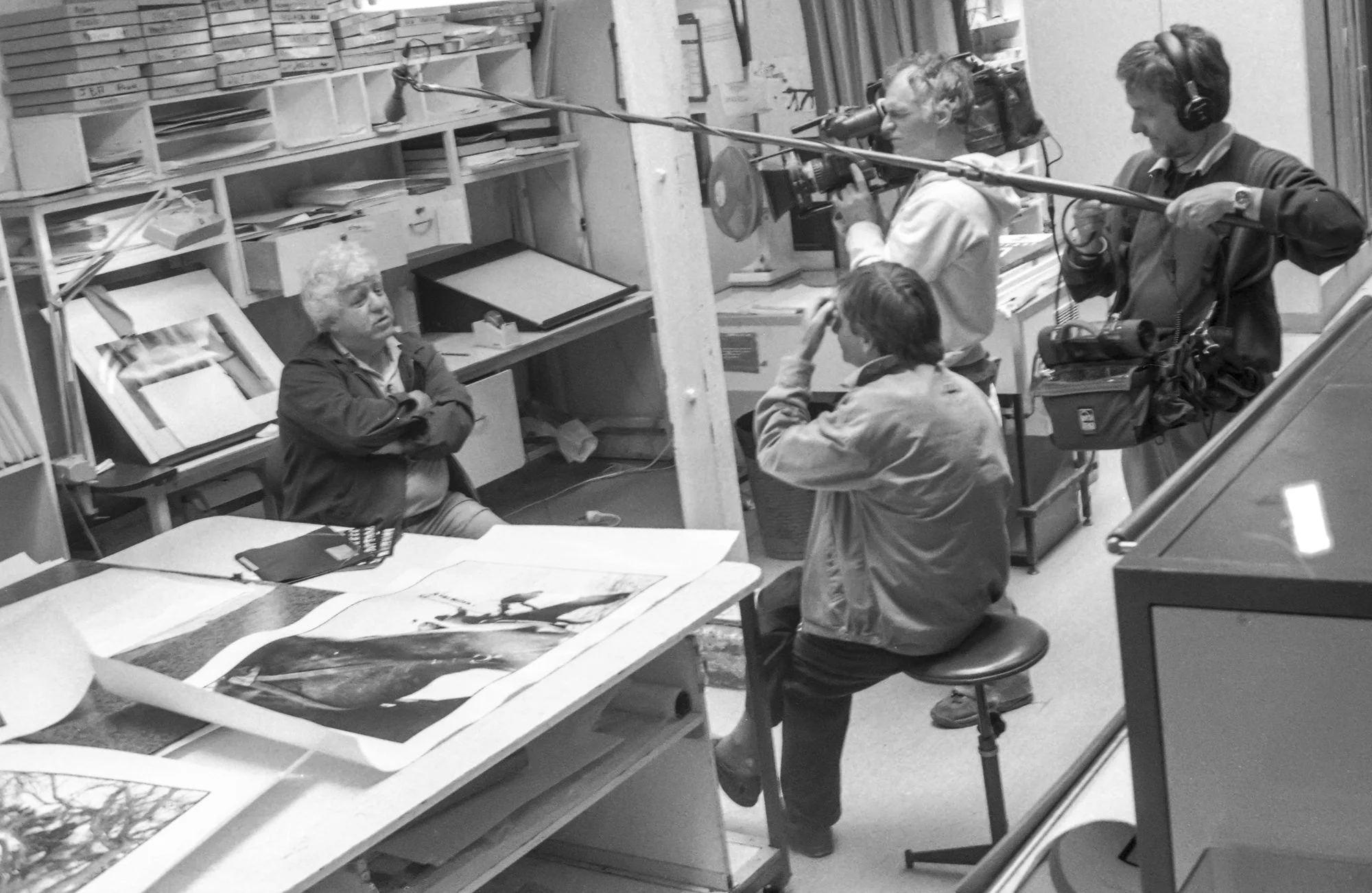
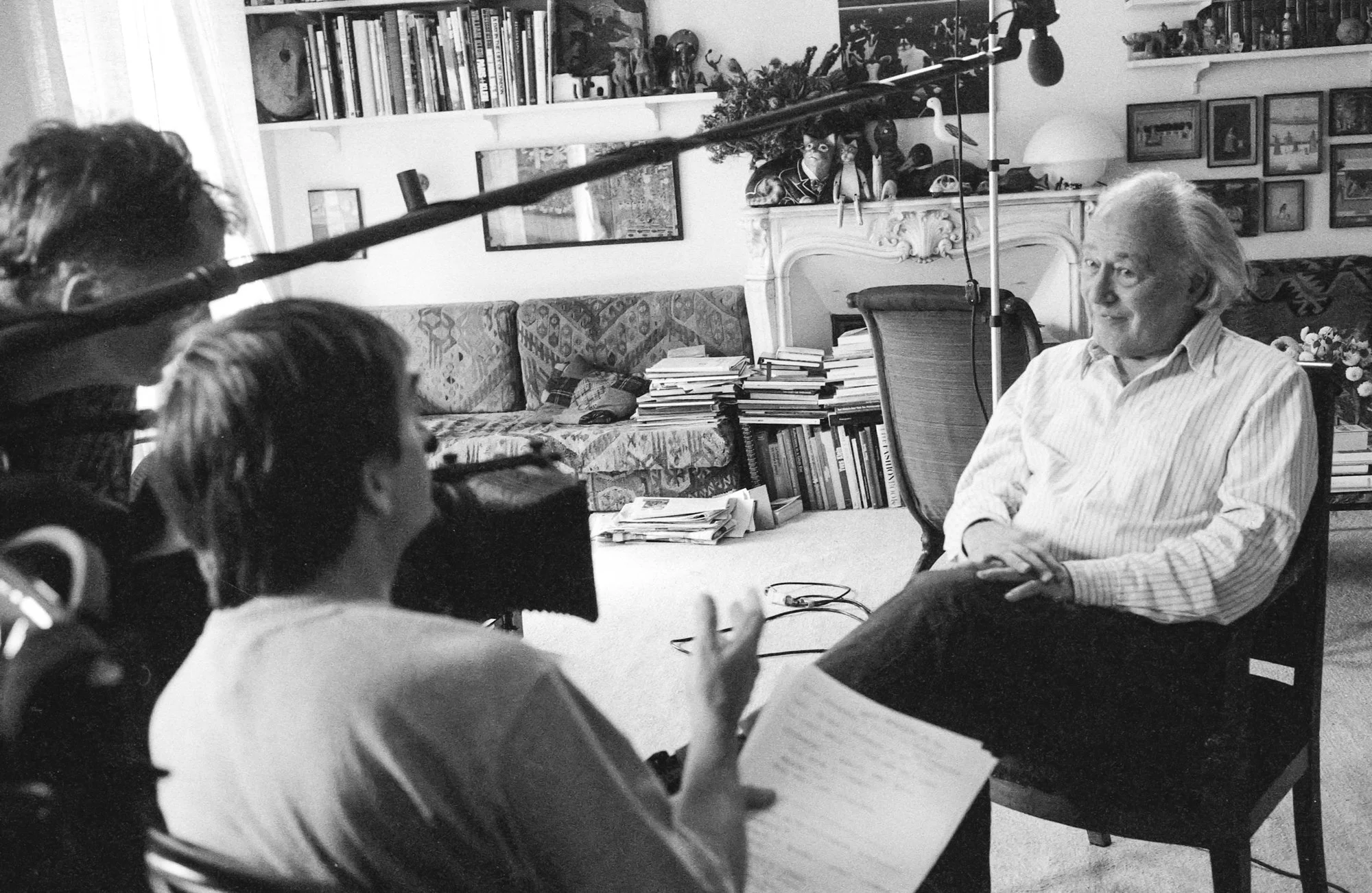
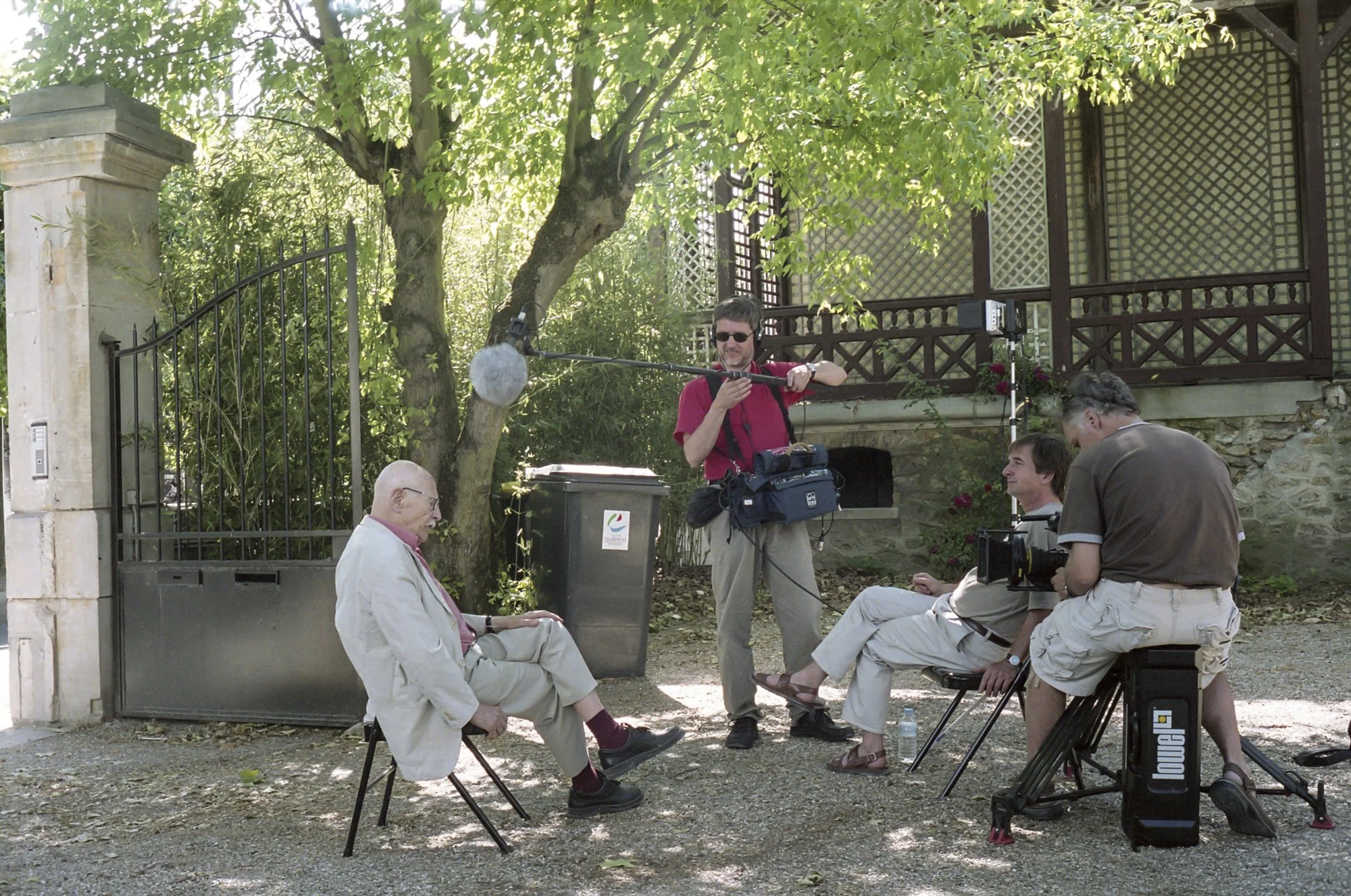
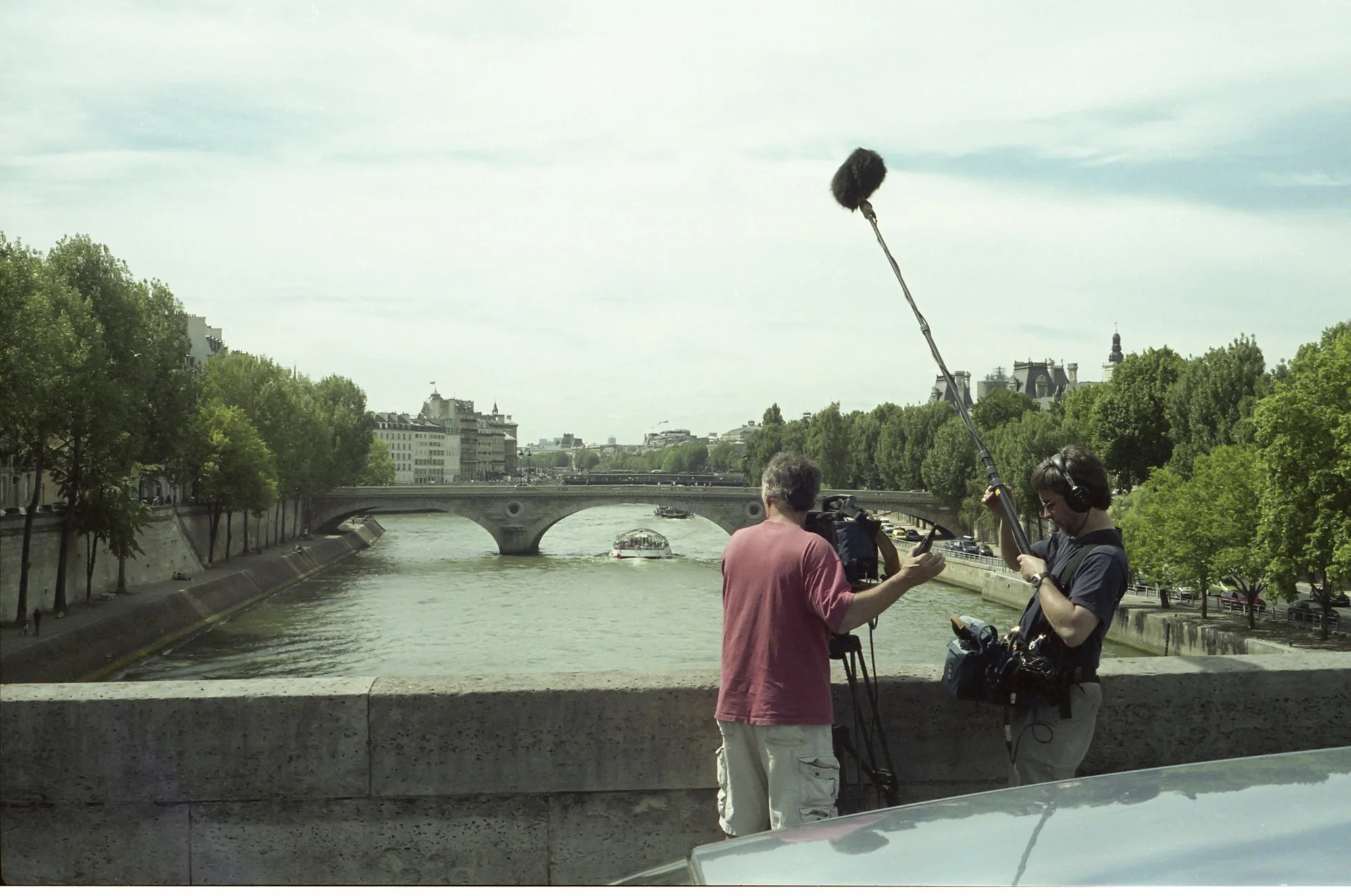
Réalisateur: Gilbert Duclos. Assistante:Jacqueline Bui
Directeur photo: Richard Hamel. Son: Gilles Corbeil
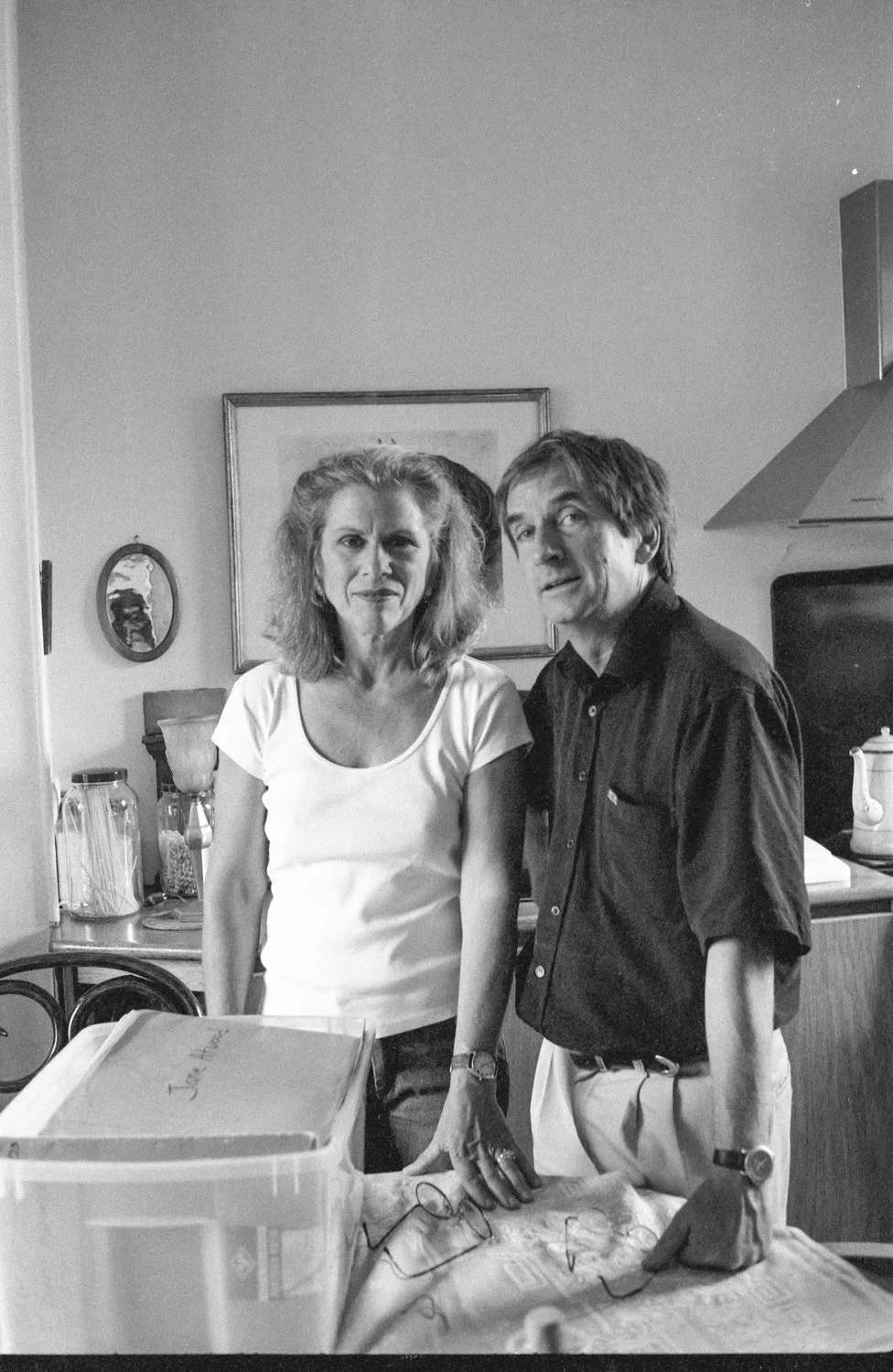
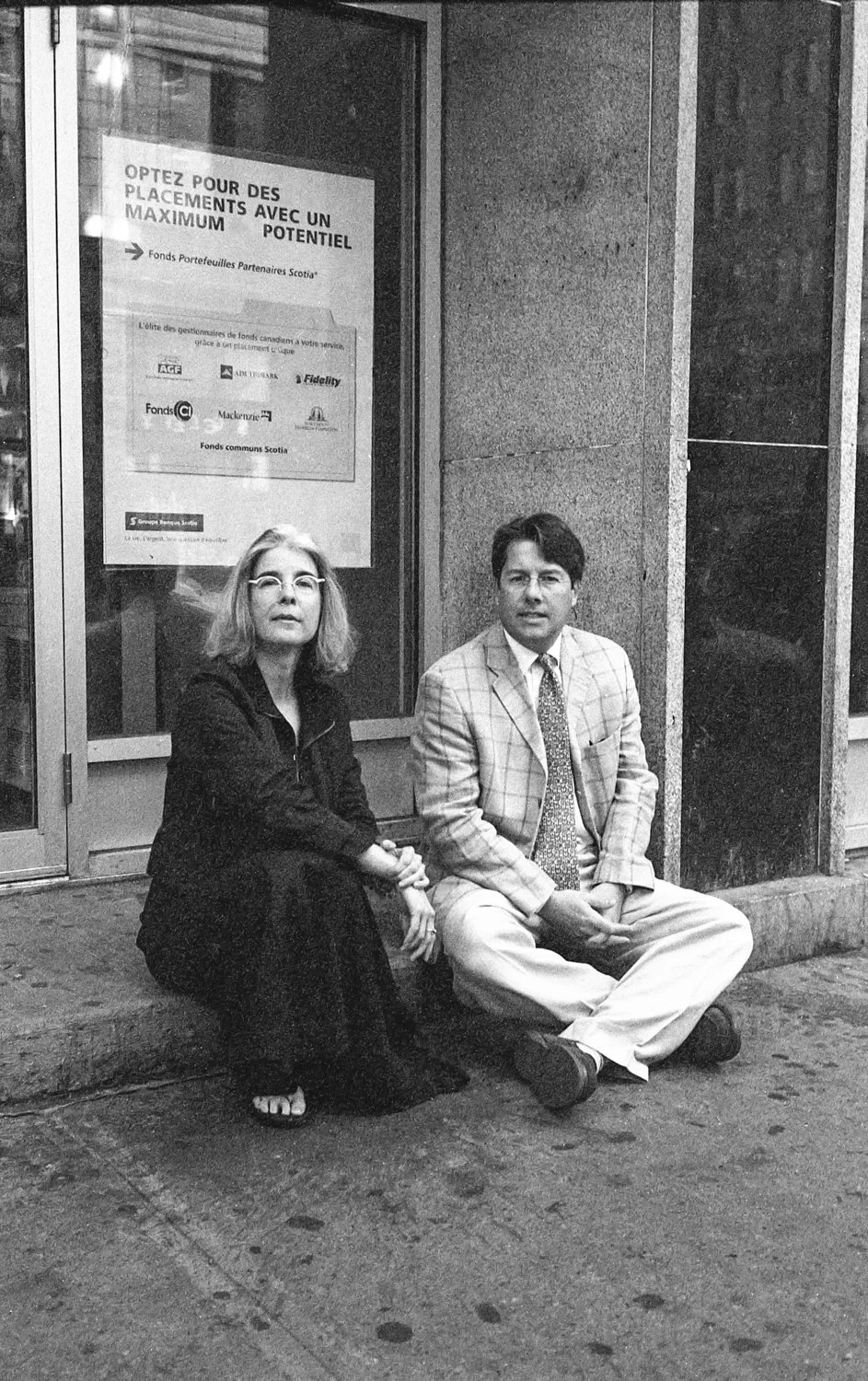
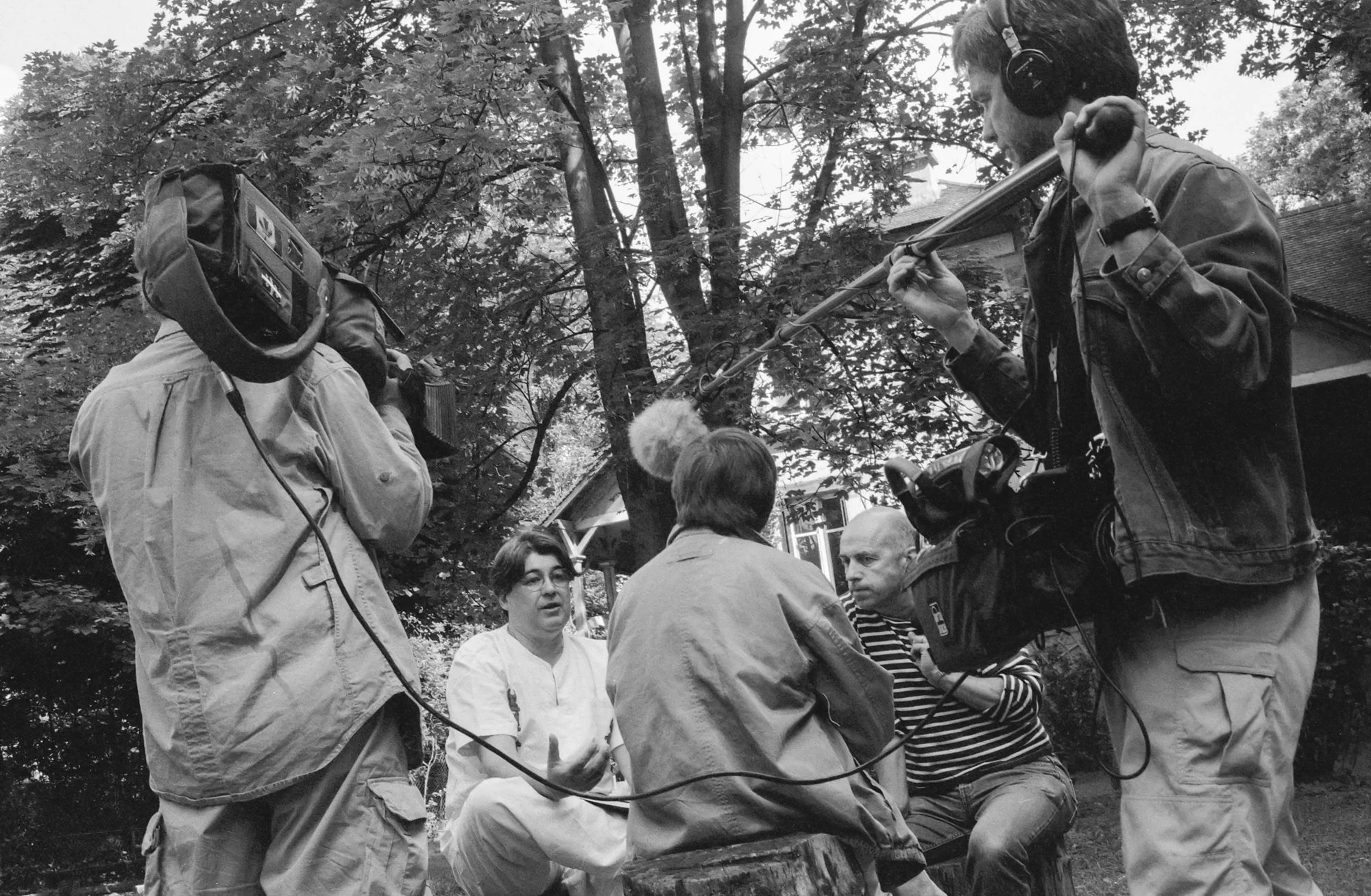
En 2004, Monique Simard des Productions Virage a approché le photographe pour qu'il réalise un documentaire sur le thème du droit à l’image et la liberté artistique.
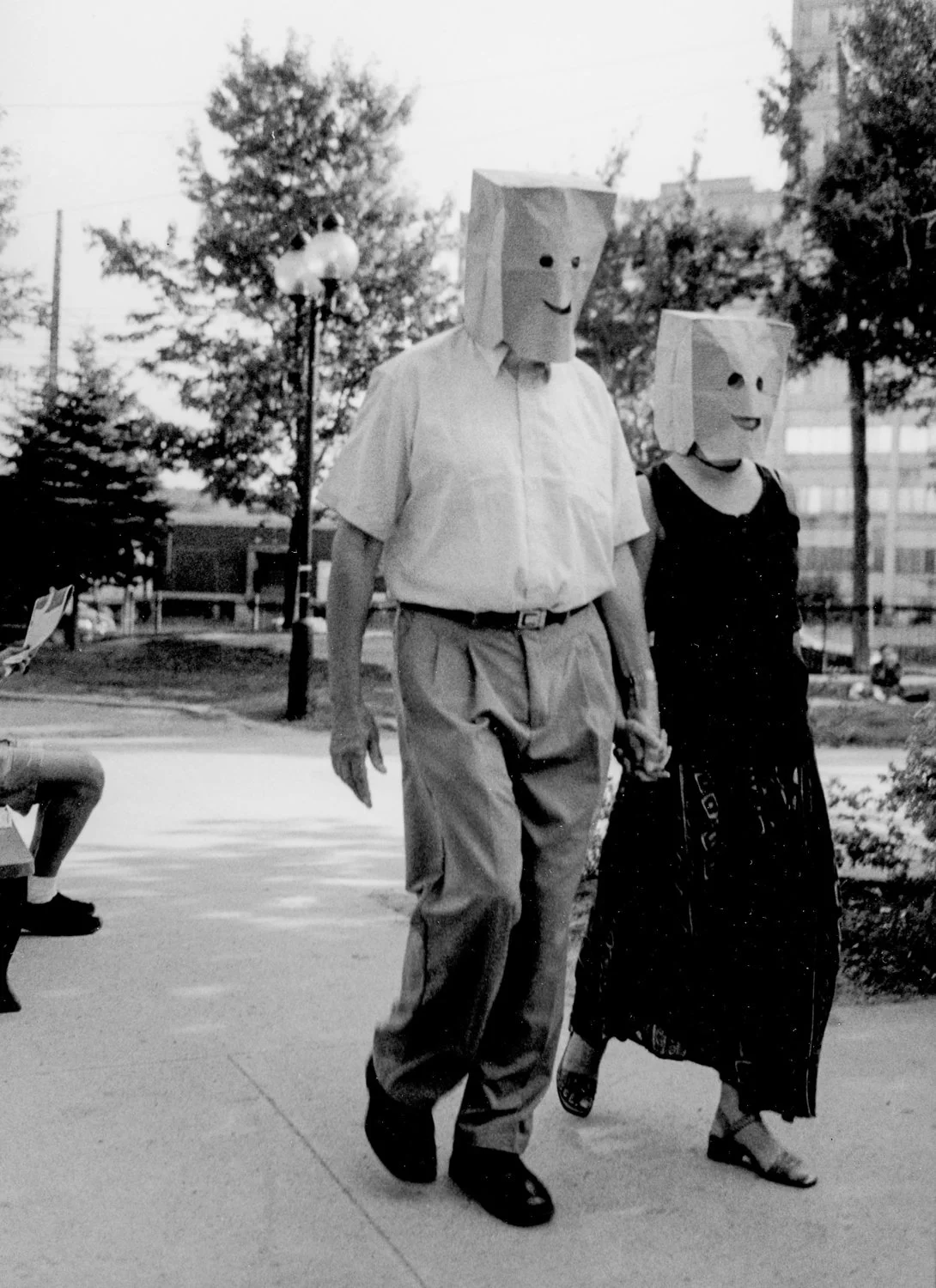
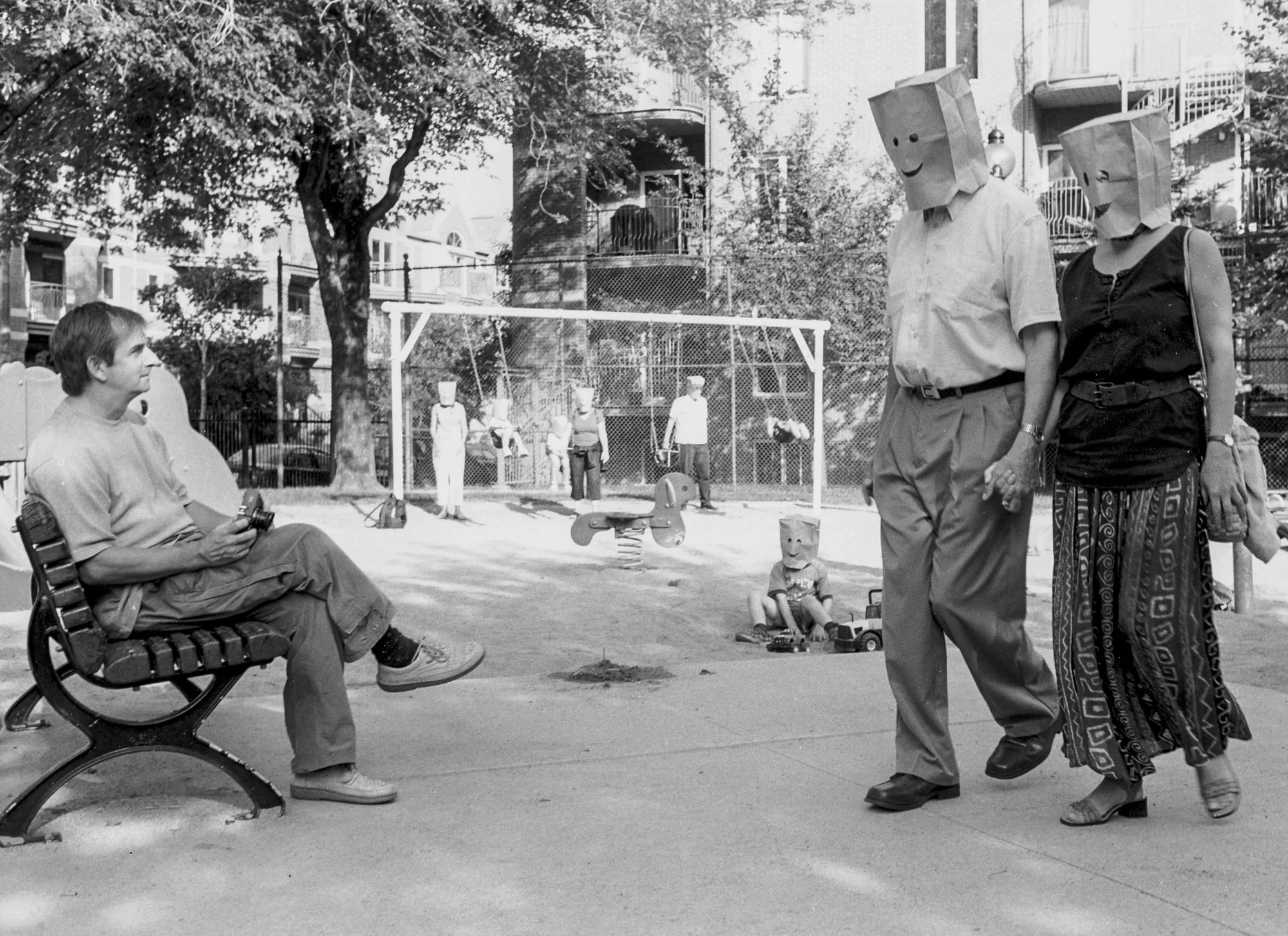
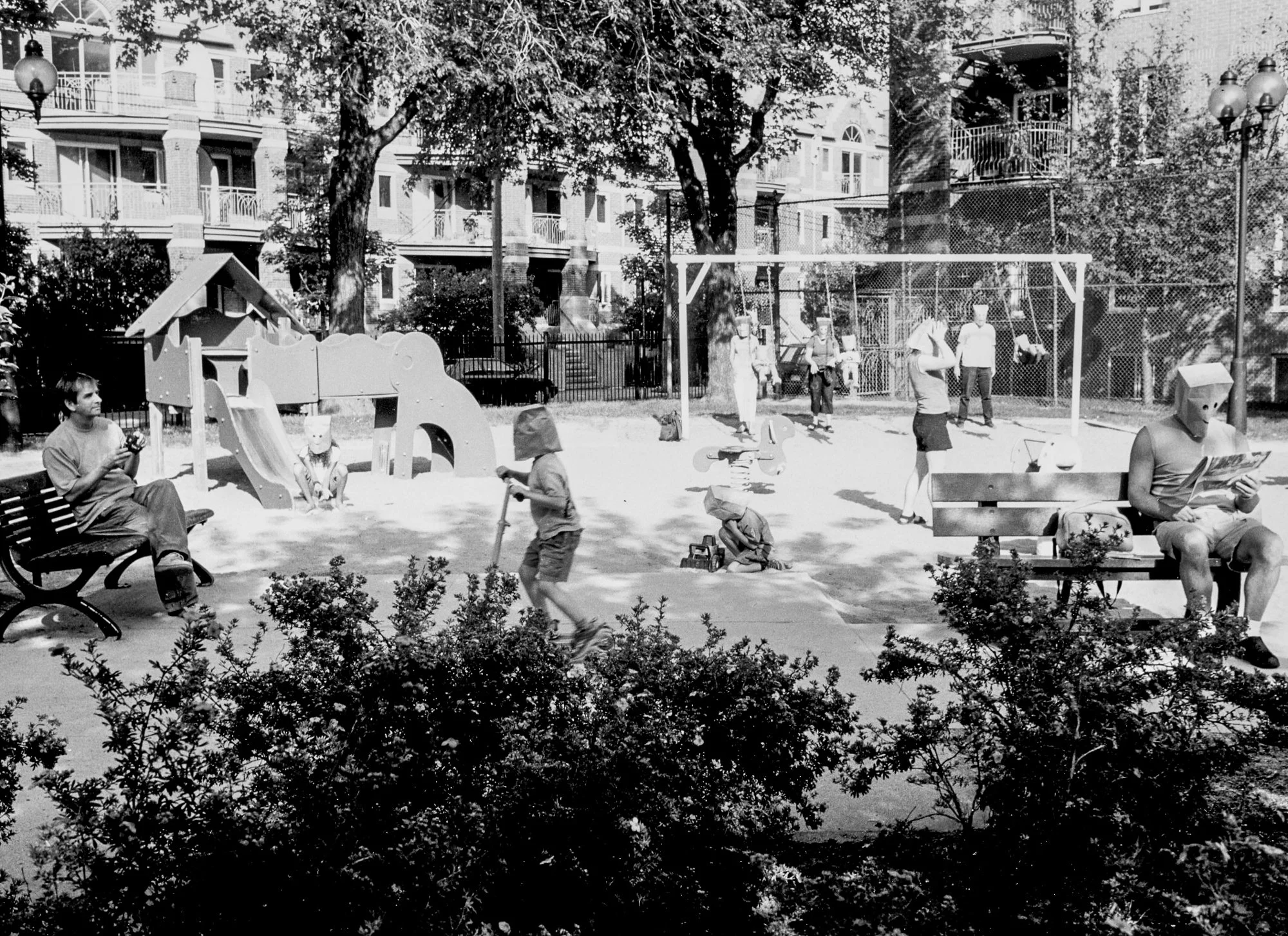
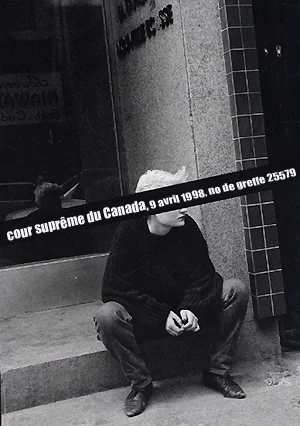
Ce documentaire, à travers le sujet de la photographie, démontre comment les valeurs dominantes de notre époque ont influencé la décision de la Cour Suprême du Canada (9 avril 1998, no. de greffe 25579) Il traite des limitations, voire l'interdiction, du droit de photographier la réalité dans nos espaces publics tels que l’ont fait de grands photographes depuis les débuts de la photographie.
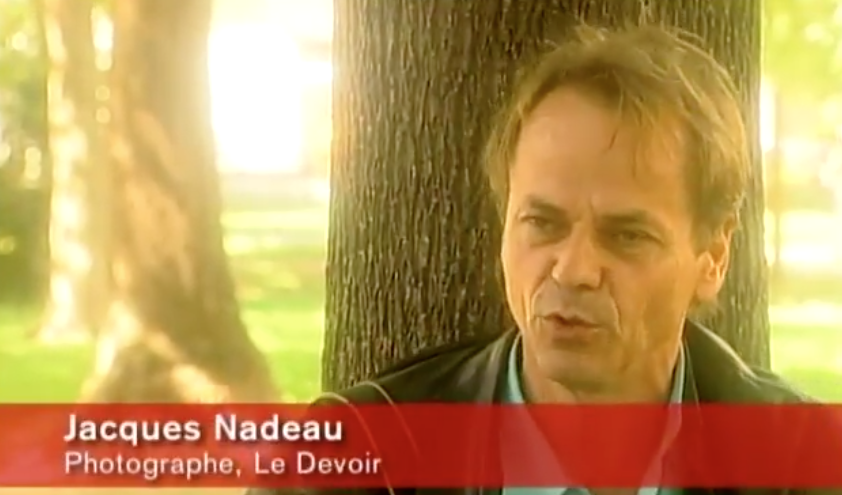
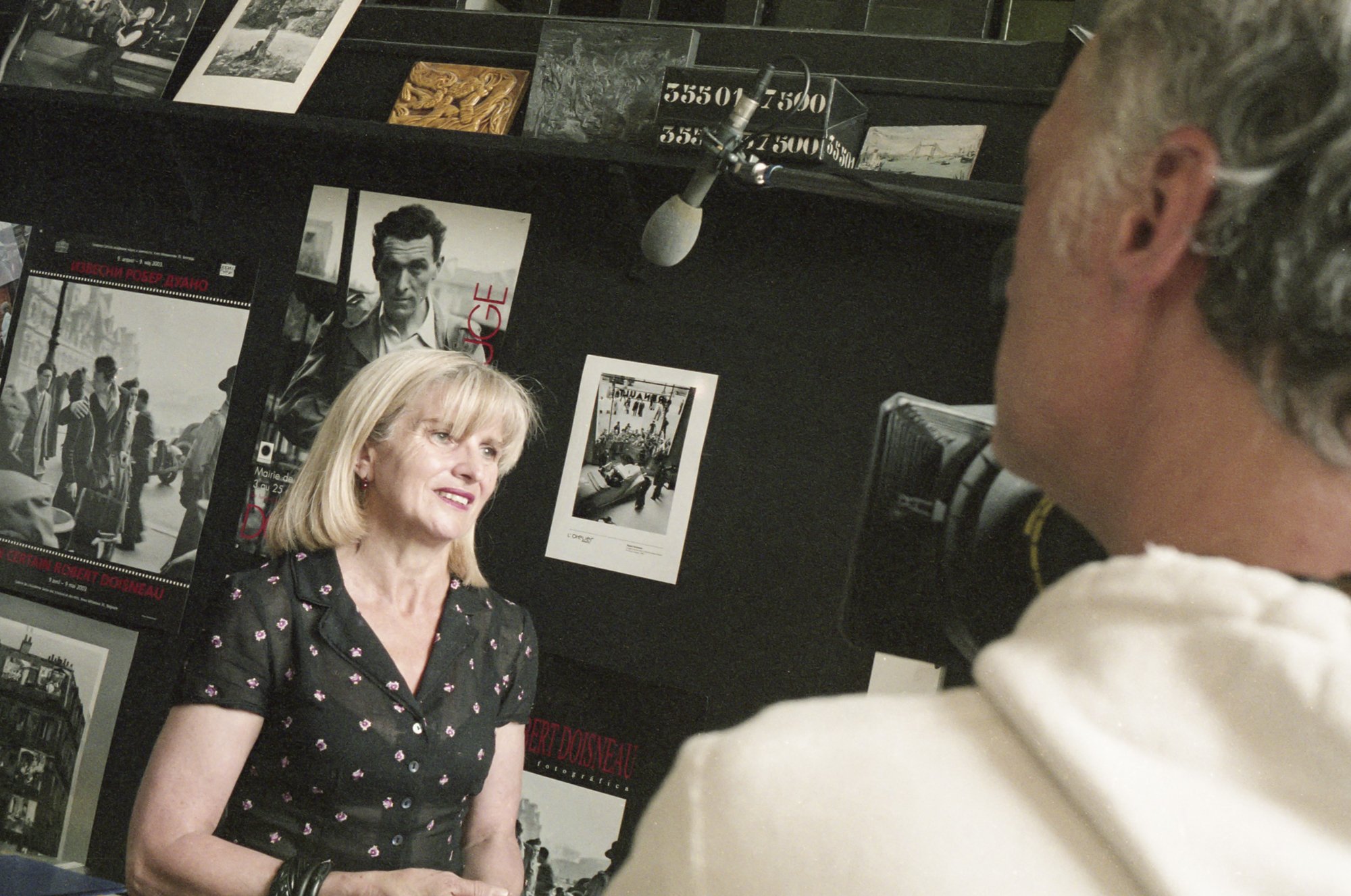
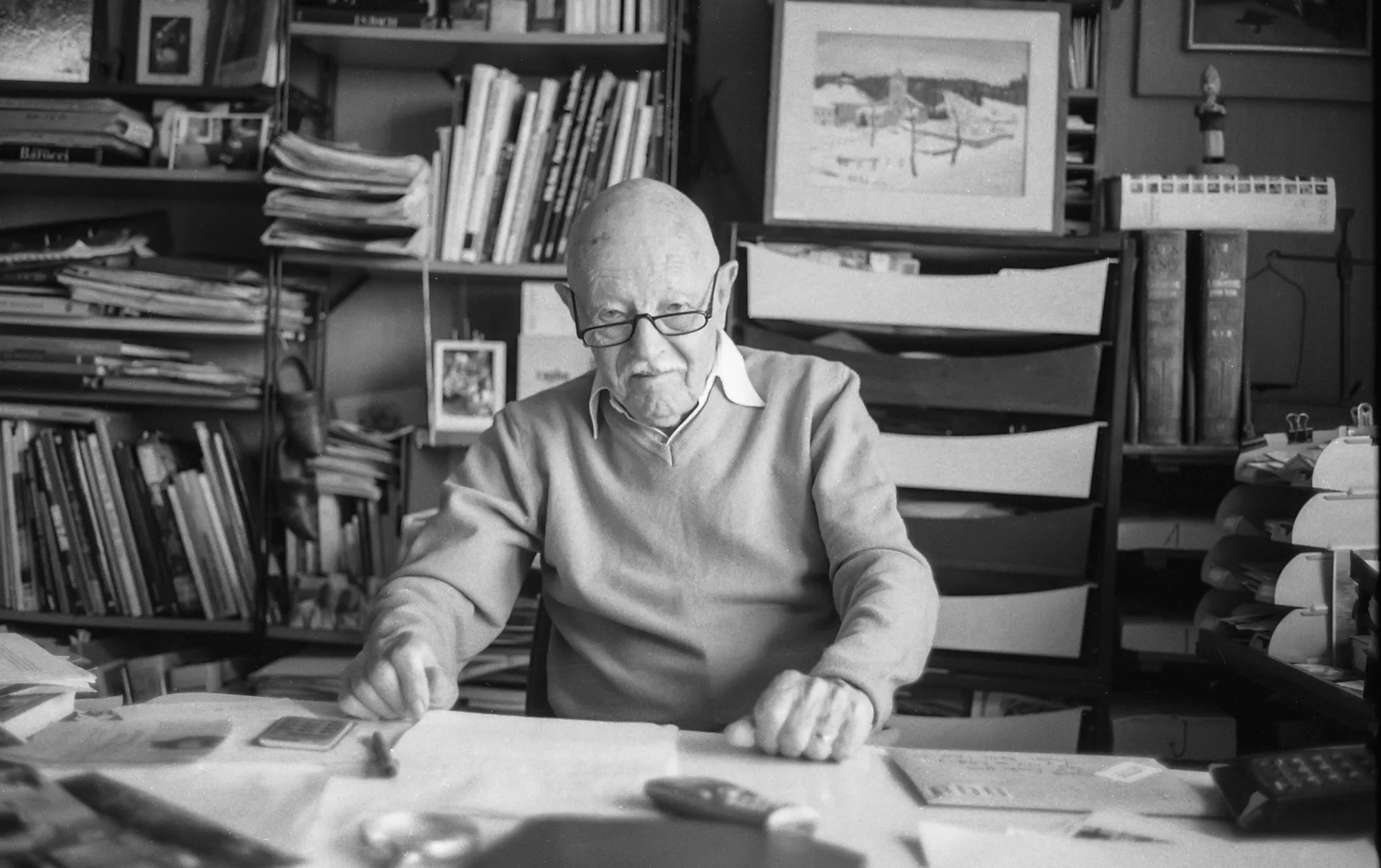
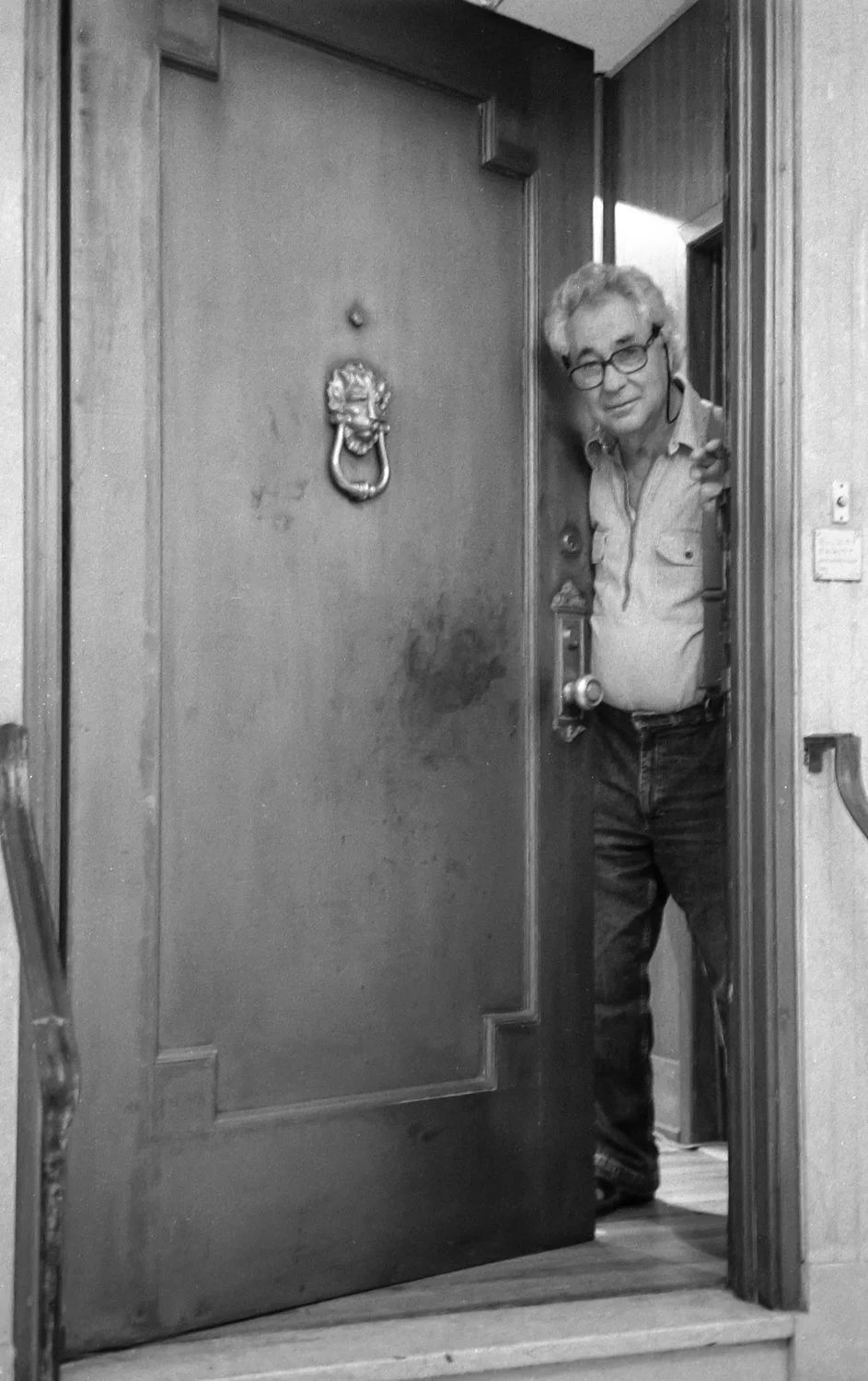
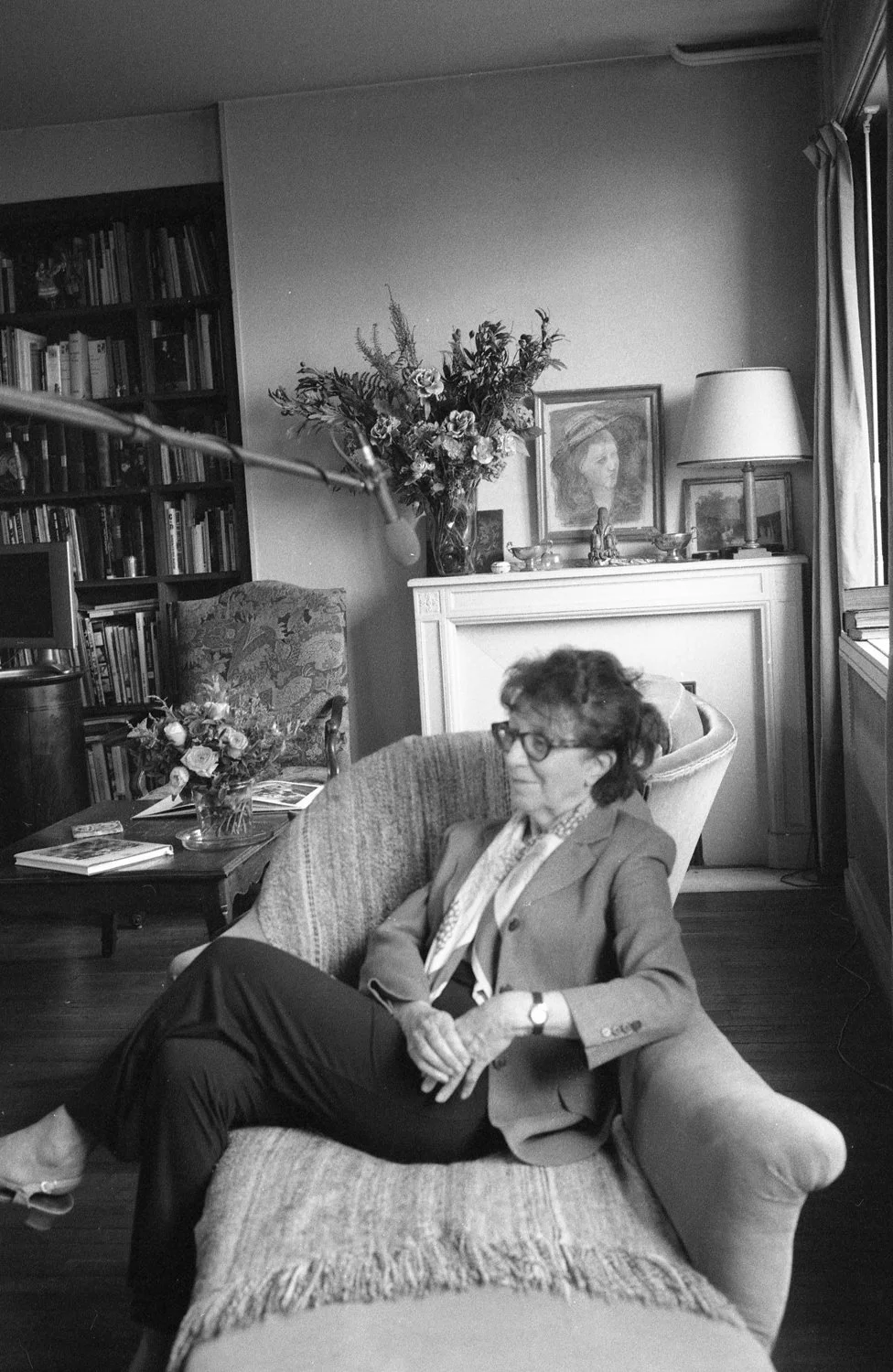
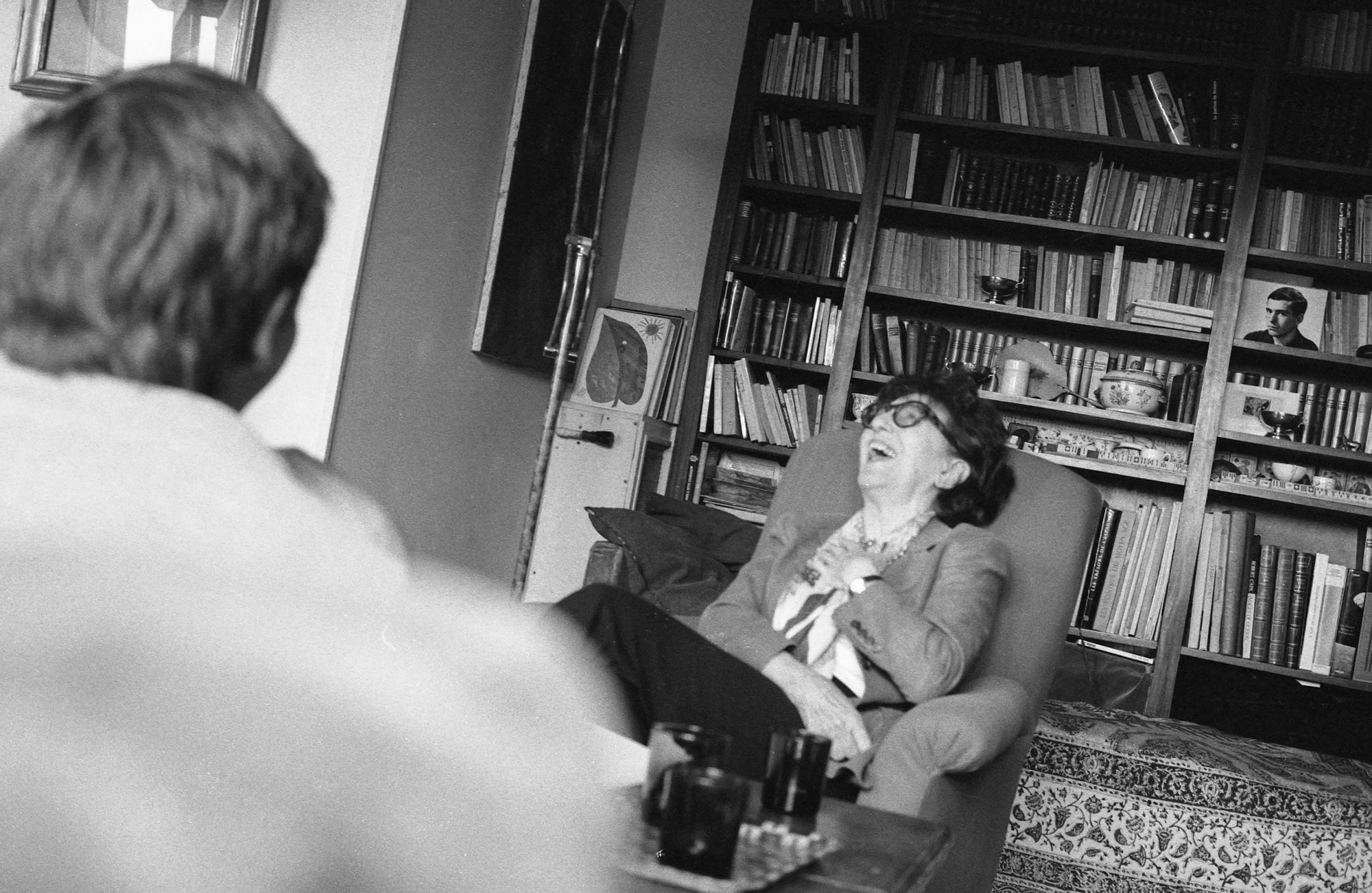
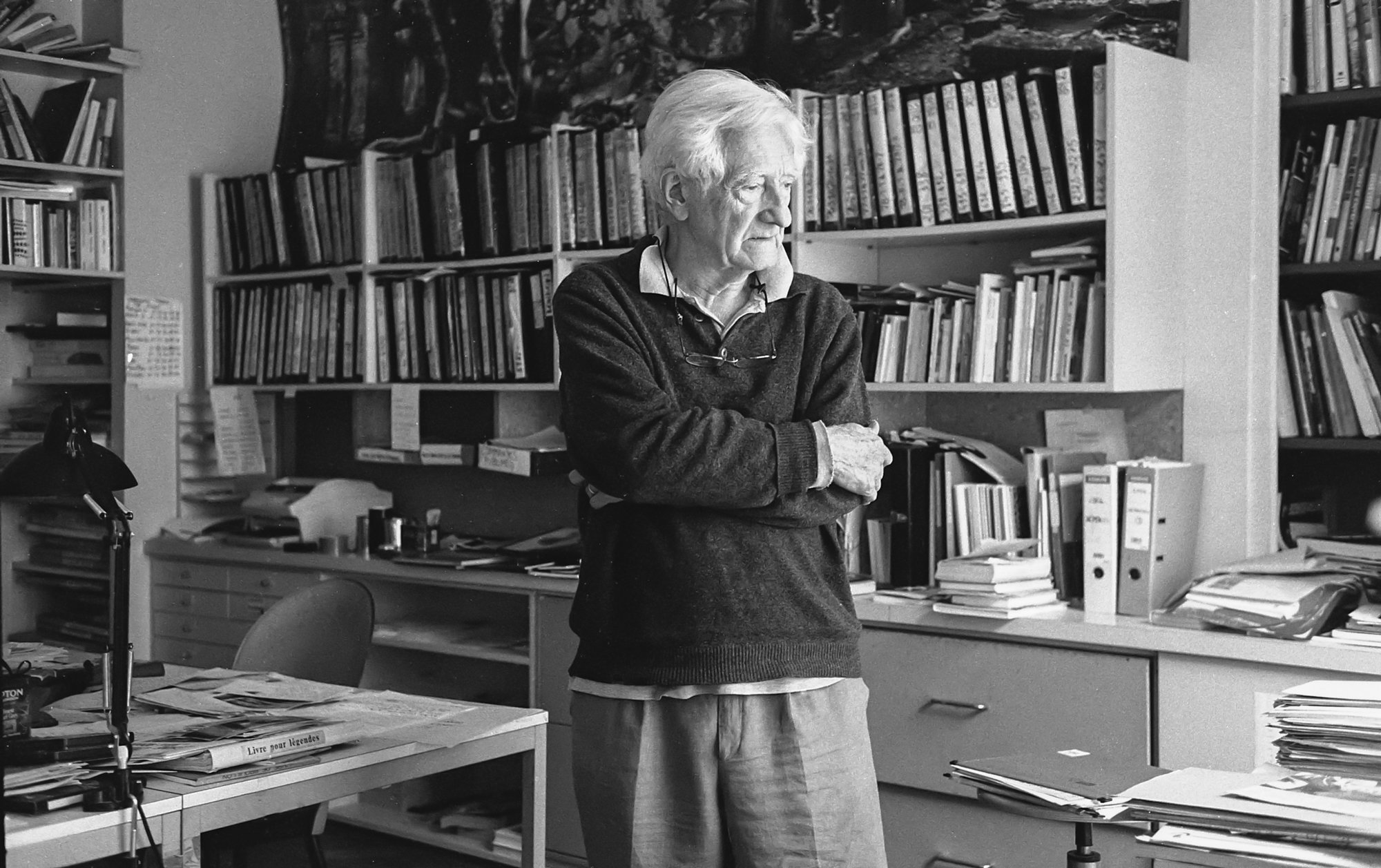
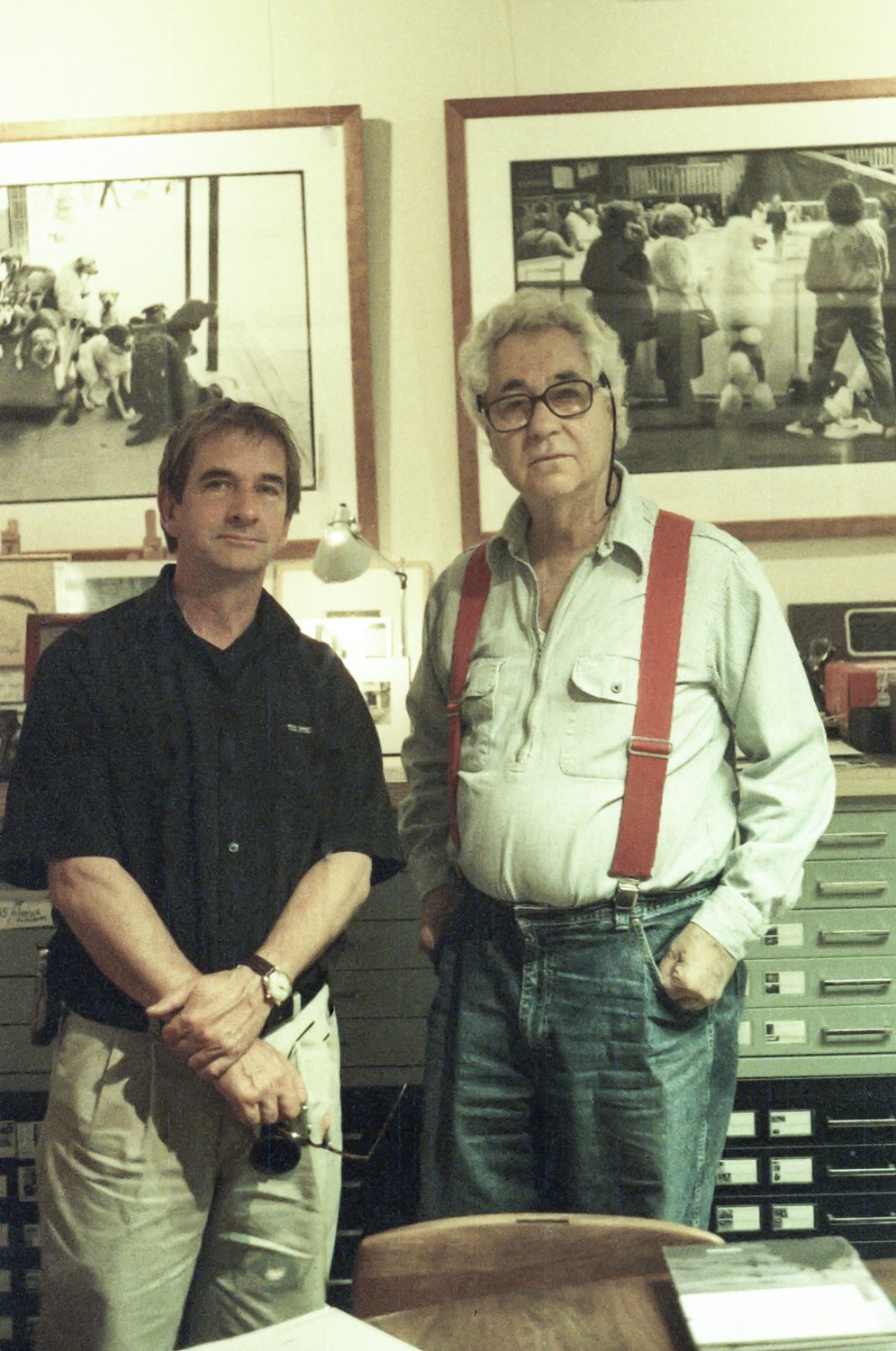
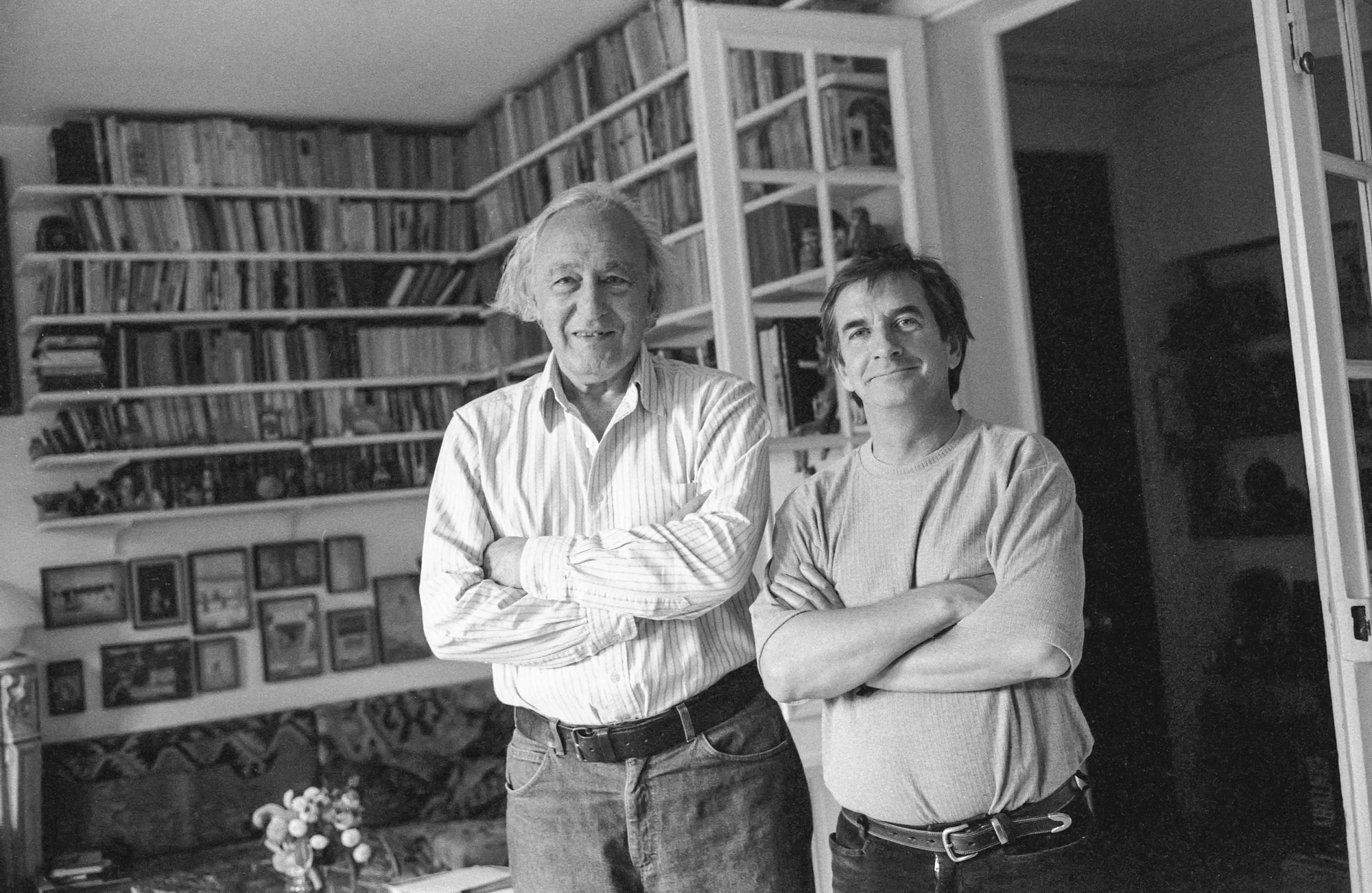
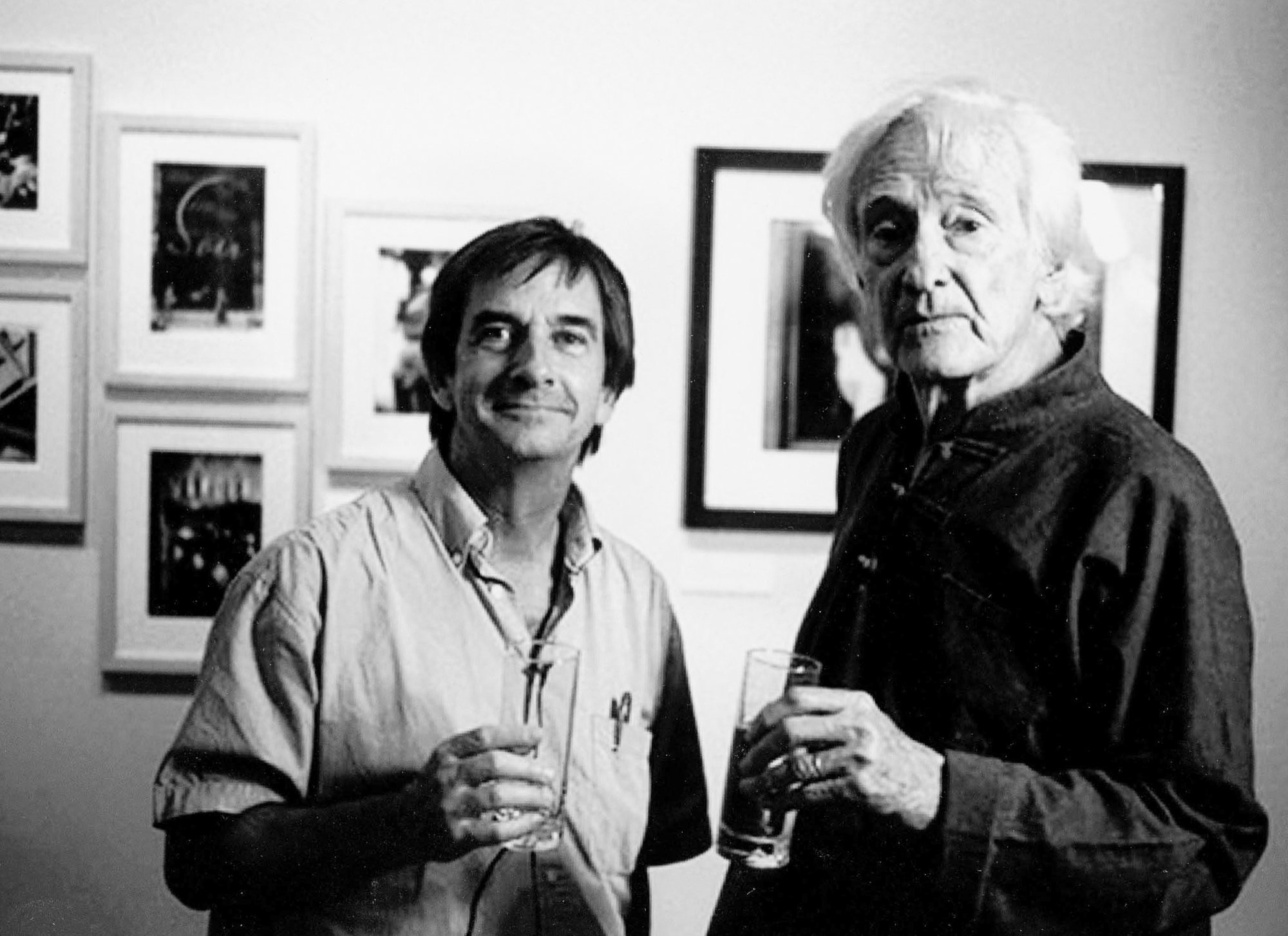
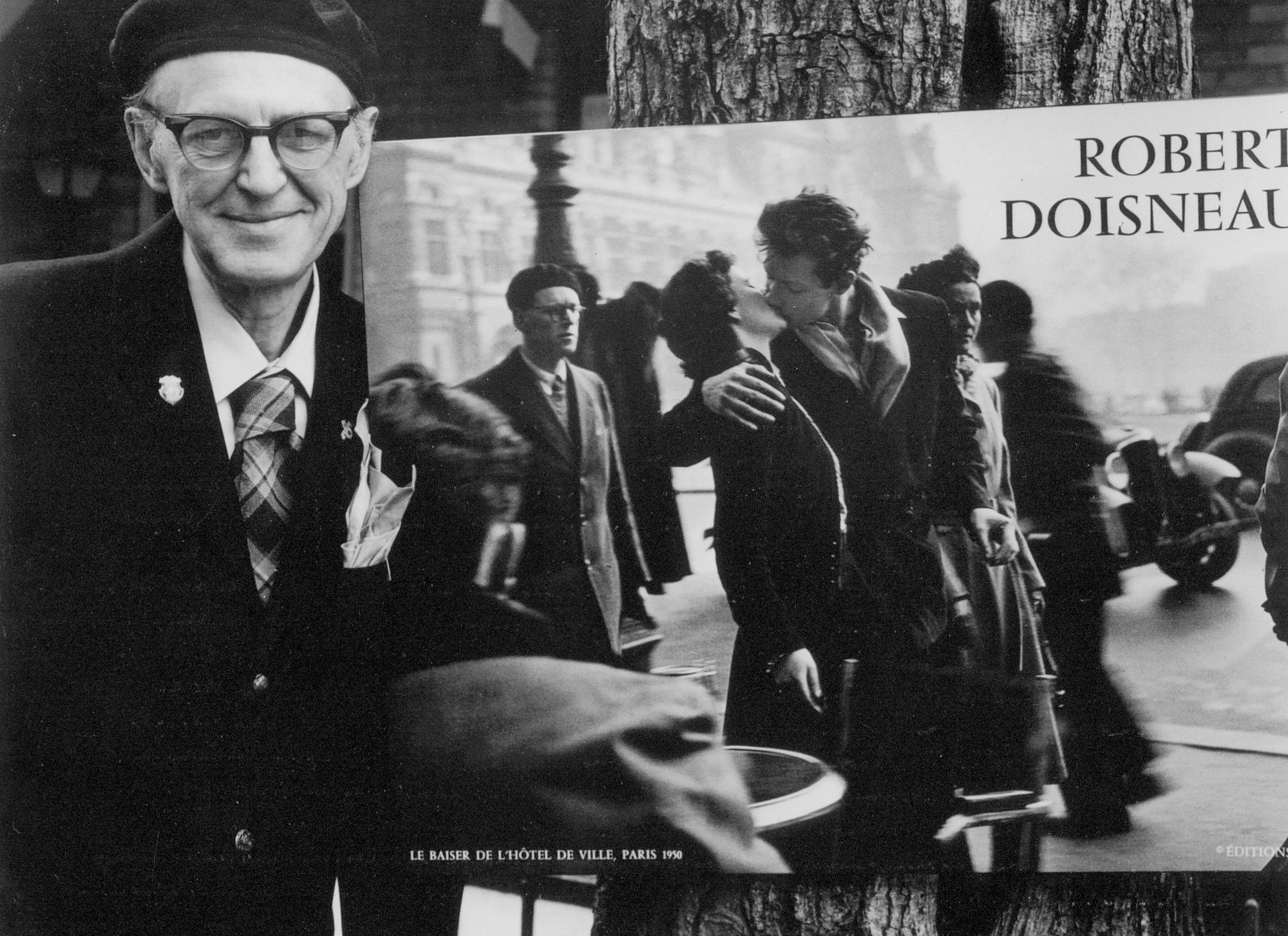
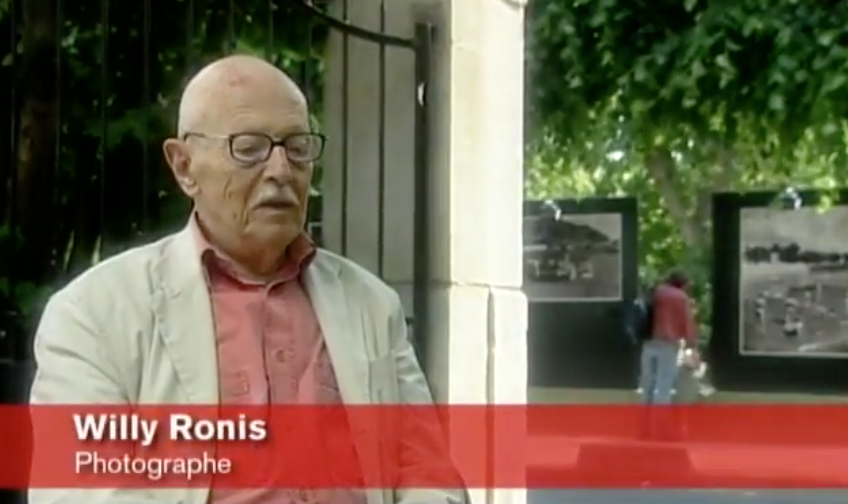
La rue est-elle publique ou privée? Le photographe a-t-il encore le droit de photographier? Voilà une des question fondamentale que le documentaire tente d’élucider. Le réalisateur Gilbert Duclos s’inquiète de ses effets pervers sur la liberté d’expression et aussi sur le dépérissement de notre patrimoine visuelle. Quelles images restera-t-il des années 2000 si les descendants des Cartier-Bresson n’osent plus pratiquer leur métier ayant peur d’être poursuivis... Le documentaire a été tourné en 2004 au Canada, aux États-Unis et en France. Des photographes célèbres apportent leurs témoignages dont Willy Ronis, William Klein, Marc Riboud, Elliott Erwitt, Janine Niepce, mais aussi des avocats, des éditeurs, des journalistes et des juristes.
Gilbert Duclos a remporté en 2005 le prix du meilleur documentaire au FIFA (Festival International des Films sur l’Art de Montréal.)
Cliquer ci-dessous pour écouter un reportage audio sur l’affaire Duclos: Affaire Duclos à “Aujourd’hui l’histoire” à Radio-Canada:
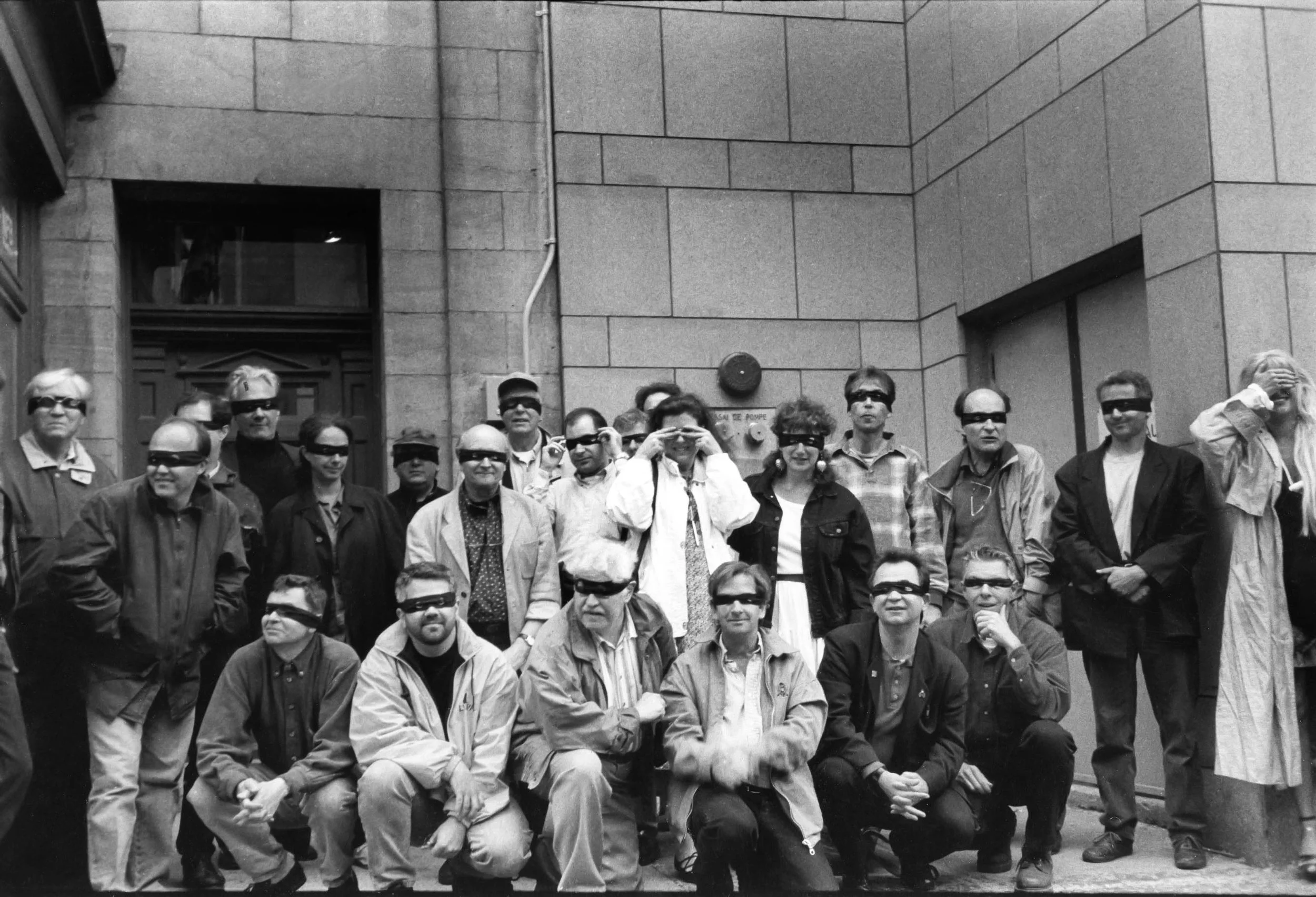
Photographes et illustrateurs appuyant Gilbert Duclos
Regardez Le documentaire La rue zone interdite: cliquez sur le photographe Willy Ronis. (60 minutes)